Berlin Jazz History: From the 1920s to Today | Berlin Jazz Guide
From Weimar-era dance halls to Cold War free jazz on both sides of the Wall, the story of jazz in Berlin is a story about freedom.
Jazz arrived in Berlin the way it arrived everywhere in Europe: on the back of a war. But Berlin didn't just adopt it. Berlin needed it. And in the century since, through dictatorship, division, and reunification, the city has never let it go.
For the full guide to where jazz lives in Berlin today, see our complete guide to jazz in Berlin.
The Golden Twenties: Jazz as Liberation
After World War I, the defeated German capital was desperate for something new. Prussian marches had filled the streets of imperial Berlin for decades. The syncopated rhythms coming out of America offered the opposite of all that: lightness, spontaneity, the sound of a world that hadn't been broken by war.
Jazz entered Germany through Allied occupation zones along the Rhine and through records, sheet music, and the occasional visiting musician. By the mid-1920s, Berlin was in the grip of it. Dance halls and cabarets across the city demanded the new sound. Radio began broadcasting jazz regularly from 1924, and when the American bandleader Paul Whiteman brought his Symphonic Jazz Orchestra to Berlin in 1926, the reaction was seismic. One critic called it "the most entertaining and vital phenomenon in contemporary music."
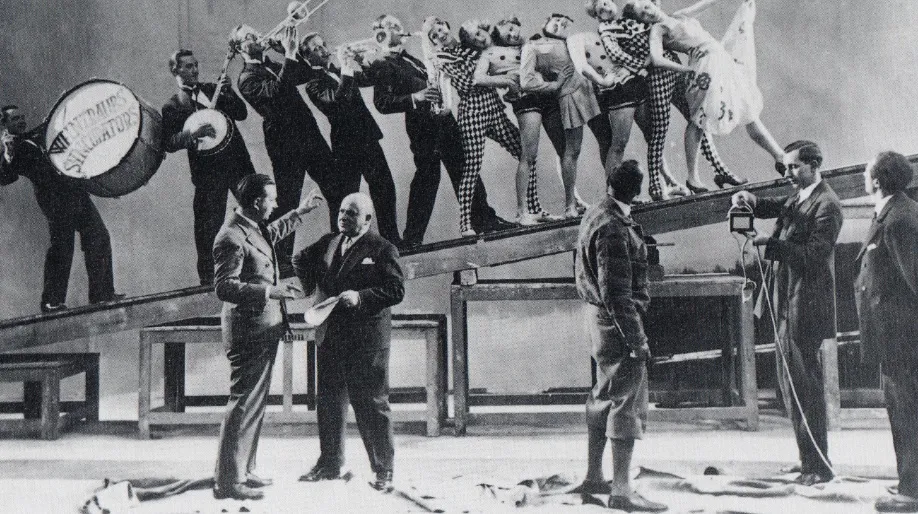
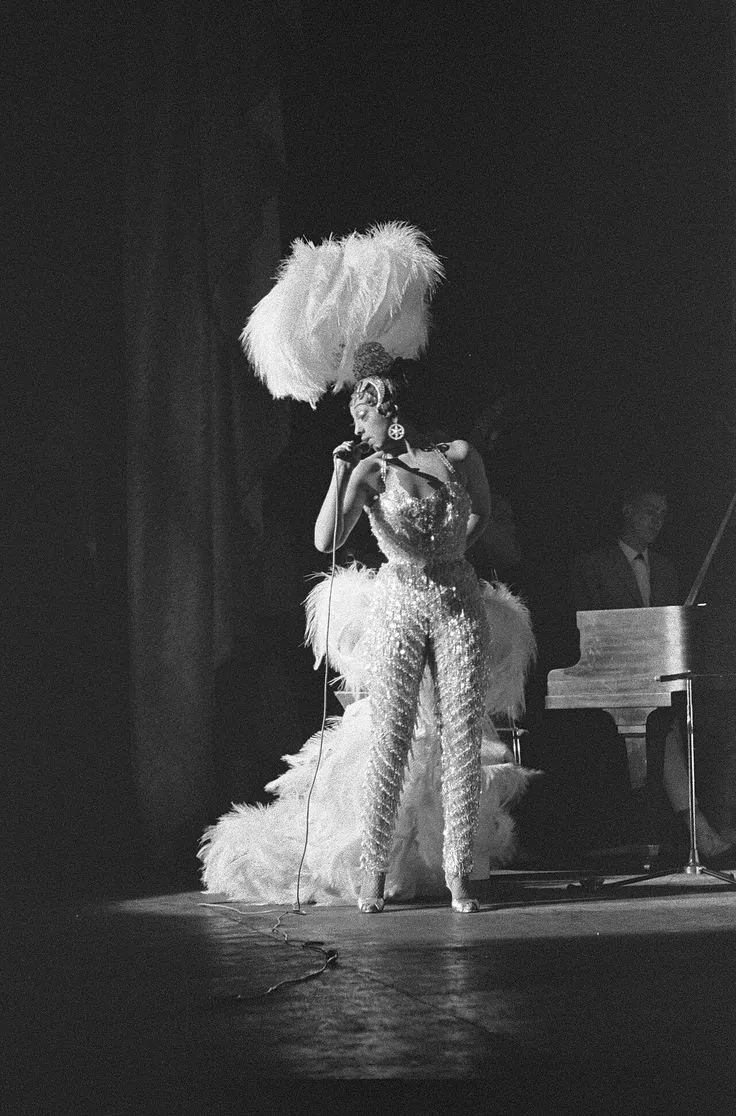
The Weintraub Syncopators became Germany's first real hot jazz band, reaching their peak around 1928. Josephine Baker had arrived in 1925, finding Berlin dazzling. Composers like Kurt Weill and Paul Hindemith folded jazz into their work. The new sound wasn't just entertainment. It was a symbol of democracy, modernity, and the rejection of everything the old order had stood for.
In 1928, the Hoch Conservatory in Frankfurt opened the world's first academic jazz program, nearly two decades before any American institution did the same. Jazz, in Weimar Germany, was taken seriously as art before America itself was ready to call it that.
But the love was never uncomplicated. Conservative critics and nationalist student groups attacked jazz as a product of Black American culture, deploying the same racist language that would soon become state policy. The cultural establishment that embraced Beethoven couldn't stomach improvisation. By 1932, conservative musicians and critics were openly denigrating jazz along racial lines, setting the stage for what came next.
Silence and Resistance: Jazz Under the Nazis
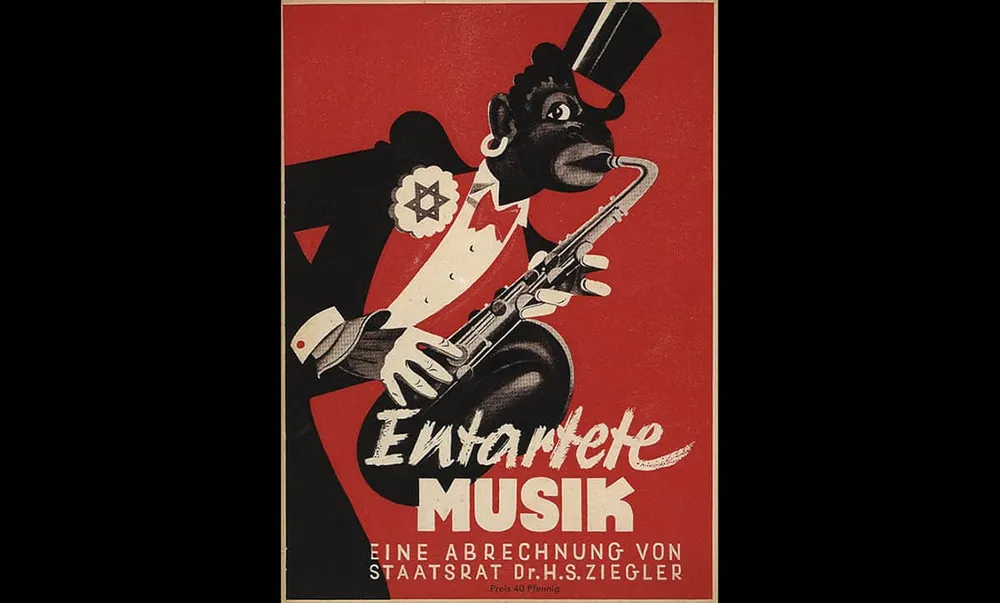
When the Nazis came to power in 1933, jazz was already marked. Joseph Goebbels initially tried propaganda over prohibition, hoping to turn public opinion against the music. By 1935, the ban was official. Jewish musicians were forbidden from performing. The Weintraub Syncopators, most of whom were Jewish, were forced into exile, eventually settling in Australia. Others were less fortunate.
But jazz proved impossible to eradicate. Musicians played in secret, adopted German pseudonyms, and reworked banned songs with new lyrics. Foreign radio stations broadcasting jazz were officially forbidden but wildly popular. The Nazis even found themselves in the absurd position of producing their own sanitized versions of jazz for propaganda, unable to fully suppress the very thing they'd declared degenerate.
The clarinet player Ernst Höllerhagen chose exile in Switzerland over silence. Others stayed and took the risk. Jazz had become more than a style of music. It was a form of resistance, and that identity would shape its meaning in Berlin for the rest of the century.
Two Berlins, Two Jazz Traditions
When the war ended and Berlin was divided, jazz returned immediately, carried by the Americans as a deliberate tool of democratic rehabilitation. But the two halves of the city would develop remarkably different jazz cultures, both vital, both shaped by the politics surrounding them.
West Berlin: The Free Jazz Capital of Europe
West Berlin in the 1960s was an island, geographically isolated and politically charged, and it became the incubator for some of the most radical music in jazz history. A generation of young German musicians, led by saxophonist Peter Brötzmann, pianist Alexander von Schlippenbach, and trumpeter Manfred Schoof, set out to build a European free jazz language that owed nothing to American templates.
In 1966, Schlippenbach presented "Globe Unity" at the Berliner Jazztage, assembling the cream of the German jazz avant-garde into a single large ensemble. The performance was simultaneously savaged and celebrated. It was a turning point.
Two years later, when Brötzmann was uninvited from the Jazztage, the response was characteristically Berlin: he and his fellow musicians organized the Total Music Meeting as a counter-festival, held at the nearby Quartier von Quasimodo. It was an act of self-determination that defined the city's jazz culture for decades to come.
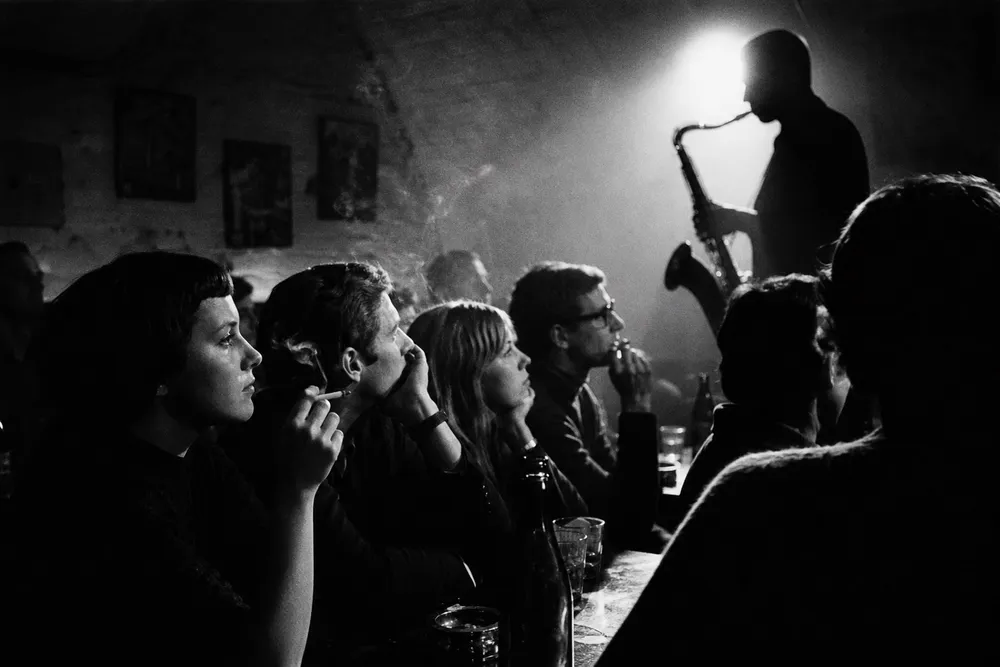
In 1969, Brötzmann, Schlippenbach, bassist Peter Kowald, and administrator Jost Gebers founded Free Music Production (FMP), a record label and concert organization that would become, in the words of one distributor, "the Blue Note of European free improv." FMP didn't just release records. It built infrastructure: the Workshop Freie Musik at the Akademie der Künste gave musicians a platform, the Total Music Meeting continued as an annual event, and over three decades, the label documented hundreds of performances by artists from across the global free jazz community.
The crowning moment came in the summer of 1988, when West Berlin was the European Capital of Culture. FMP brought the American pianist Cecil Taylor to the city for a month-long residency. Over four weeks in June and July, Taylor performed in duos, trios, and larger ensembles with the finest European improvisers: Evan Parker, Derek Bailey, Han Bennink, Tony Oxley, Paul Lovens. The resulting 11-CD box set, In Berlin '88, is one of the most important documents in free jazz history, and it cemented Berlin's place at the center of the global improvised music world.
East Berlin: Jazz Behind the Wall
On the other side, jazz had a different fight. The East German government regarded it with suspicion: an import from capitalist America, too individualistic, too free. A high-ranking SED cultural official once compared Louis Armstrong's singing to the sound of water draining from a bathtub. Jazz was tolerated, barely, and always under scrutiny.
But the musicians found ways. Saxophonist Ernst-Ludwig Petrowsky, widely considered the father of free jazz in East Germany, navigated state censorship for decades. His Manfred Ludwig Sextet, formed in 1962, became a cornerstone of GDR jazz by balancing hard bop with subtle experimentation. His Ensemble Studio IV, attached to state radio from 1967, became the first permanent jazz group broadcast by Rundfunk der DDR. Petrowsky was one of the very few East German jazz musicians permitted to perform in the West during the 1960s.
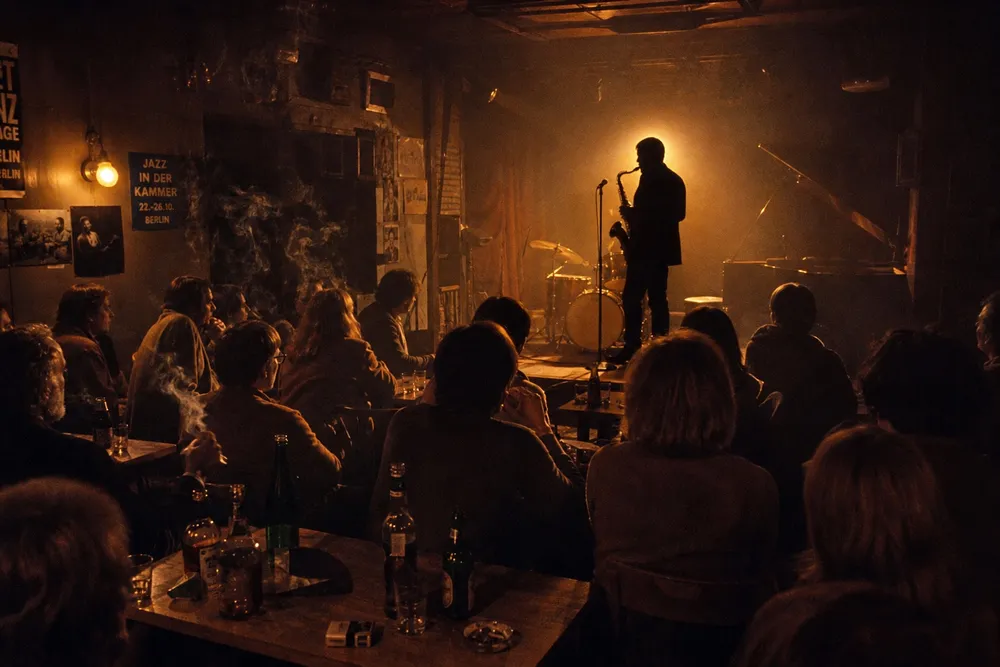
Manfred Krug, better known as an actor, gave public jazz concerts with singer Uschi Brüning and composer Günther Fischer until his emigration to West Berlin in 1977. Pianist Ulrich Gumpert, trombonist Conny Bauer, and drummer Günter "Baby" Sommer developed a distinctly East German free jazz vocabulary, drawing on folk songs, workers' songs, and marches in a way that prompted observers abroad to speak of an "Eisler-Weill Folk-Free jazz." It was music that could only have come from that particular pressure.
Remarkably, the Wall couldn't completely separate the two scenes. FMP's 1973 release Just for Fun, a quartet recording featuring Petrowsky alongside West German musicians, was the first album to bring players from both sides together. And in June 1988, just a year before the Wall fell, Cecil Taylor crossed into East Berlin to perform at the Deutsches Theater with Günter Sommer. One reviewer noted that it was hard to imagine a more appreciative audience than the East Germans who attended that concert.
After the Wall: Collision and Convergence
When the Wall came down in November 1989, Berlin's two jazz traditions didn't simply merge. They collided, argued, and gradually formed something new.
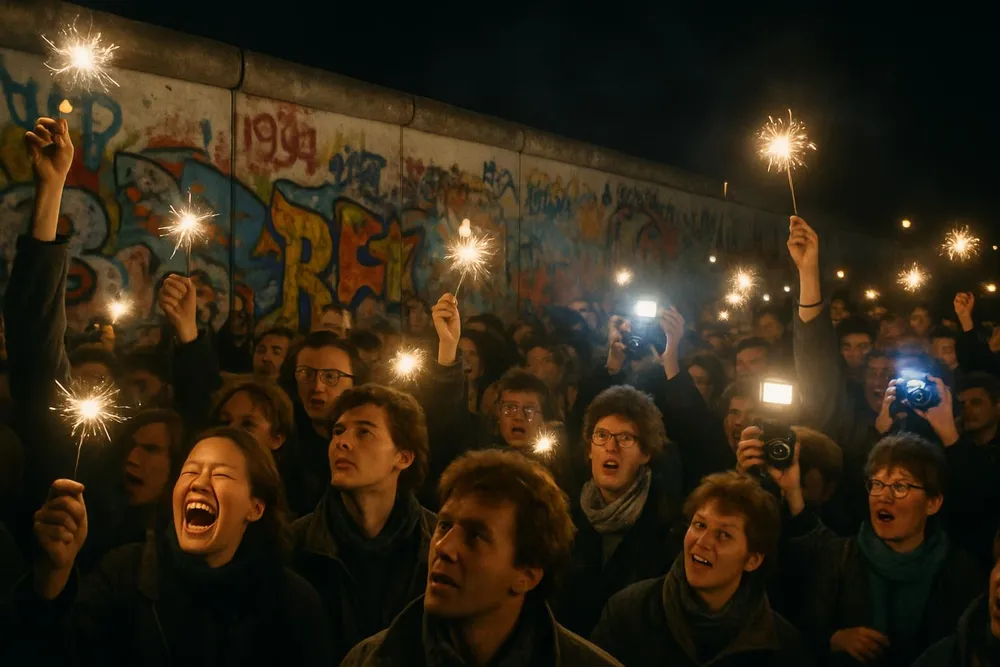
The Zentralquartett, featuring Gumpert, Petrowsky, Bauer, and Sommer, became the symbolic ensemble of the transition, playing jazz improvisations built on East German material: Volkslieder, workers' songs, marches refracted through free jazz. They continued performing into the 2010s.
Meanwhile, Berlin's newly affordable rents and reunified energy drew musicians from around the world. The city that had incubated European free jazz in isolation now became a global crossroads. American, Scandinavian, Japanese, South American, and African musicians settled here, creating the wildly diverse scene that exists today.
The direct lines from that history to the present are everywhere. Alexander von Schlippenbach, now 87, still performs at Sowieso in Neukölln, the same neighborhood where Donau115 and Peppi Guggenheim carry on the DIY spirit that FMP pioneered half a century ago. Rudi Mahall, a key figure in Berlin's contemporary free jazz scene, plays regularly at venues across Kreuzberg and Neukölln. The JazzFest Berlin, which provoked the creation of the Total Music Meeting back in 1968, continues as one of Europe's most important jazz festivals.
The Thread
A century of jazz in Berlin, and the thread that connects all of it is the same one that ran through those Weimar-era dance halls: this music represents the refusal to be told what to listen to, what to feel, how to move. Under the Kaiser's shadow, under the Nazis, behind the Wall, and in the messy freedom of a reunified city, jazz has always been Berlin's sound of self-determination.
The venues are smaller now. The recordings are digital. But the energy is the same. Musicians still run their own spaces, still play for each other and for whoever walks in off the street, still insist that the music matters more than anything around it.
For the complete guide to where you can hear all of this today, start with our guide to jazz in Berlin. And if you want to play, our jam sessions guide will point you to the right rooms.
See you out there.