Jazz in Berlin: The Complete 2026 Guide
Every venue, every vibe, every night of the week. Your guide to Berlin's jazz scene, from smoky Kreuzberg basements to Charlottenburg institutions.
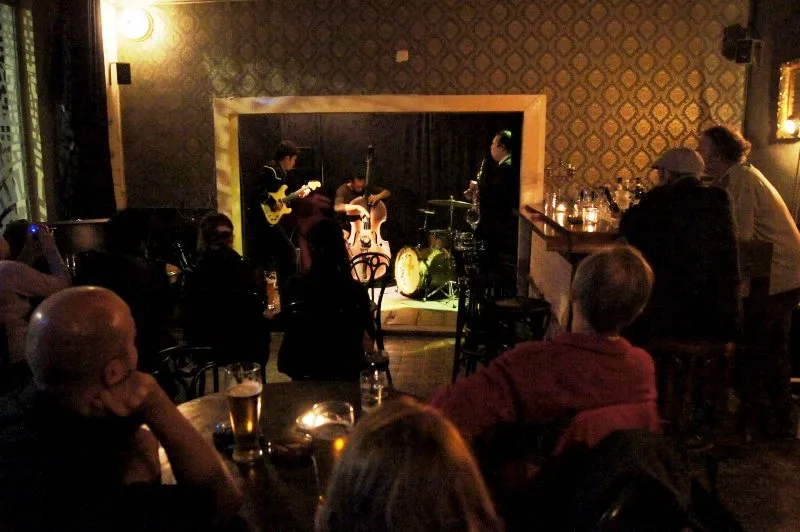
A performance at Sowieso in Berlin Neukölln. Photo by Jazzity.
Berlin isn't just a city with jazz clubs. It's a city where jazz breathes, evolves, and refuses to stay in one place. From smoky basements in Kreuzberg to elegant venues in Charlottenburg, the capital's jazz scene is as diverse and uncompromising as the city itself.
Whether you're a devoted bebop purist or just curious about where to hear live music that doesn't sound like it's been algorithm-optimized for mass consumption, this guide takes you through everything you need to know.
Why Berlin's Jazz Scene Is Special
Berlin's relationship with jazz goes back to the 1920s, when the city was one of Europe's most important jazz centers. After the war and the division, West Berlin became a haven for free jazz and experimental music, while the East developed its own distinct jazz tradition. When the wall came down, these two worlds collided and created something entirely new.
Today, traditional jazz shares the stage with radical experimentation. Musicians from all over the world converge here, drawn by the city's relatively affordable cost of living. The audience actually listens, there's no dress code or pretension, and the music matters more than the scene.
Kreuzberg & Neukölln: Where Tradition Meets Experiment
ZigZag Jazz Club (Hauptstraße 89) is what happens when you combine excellent acoustics, no entry fee, and a commitment to booking both established and emerging artists. Located under the U-Bahn arches near Kleistpark, this intimate venue has become one of the most respected jazz clubs in the city. Shows start at 9 PM most nights. Get there early if you want a seat.
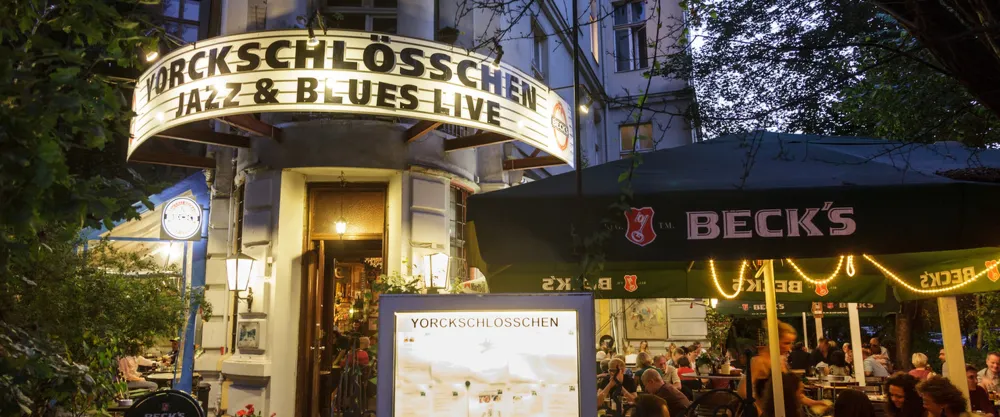
Yorckschlösschen (Yorckstraße 15) has been around since 1900, and it looks it, in the best possible way. Dark wood, dim lighting, the kind of worn elegance that only comes from over a century of people drinking and listening. Specializes in traditional jazz and swing with frequent jam sessions. Shows typically start around 8:30 PM. Cash only.
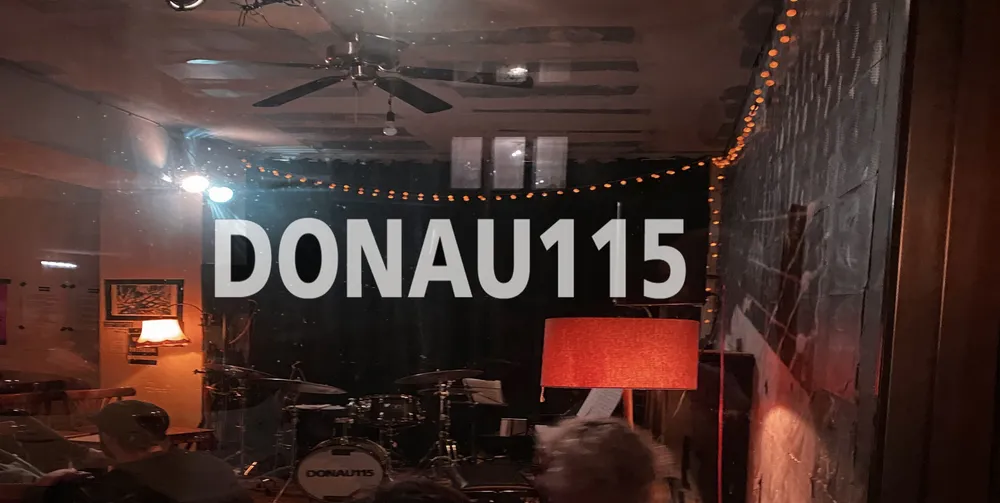
Donau115 (Donaustraße 115, Neukölln) is where you go to understand what the Berlin jazz scene actually means in 2026. A collectively-run space hosting everything from free jazz to experimental electronics to traditional jazz. One night might be ambient improvisation with a Swedish saxophonist and a Turkish oud player, the next could be straight-ahead bop from a Chicago quintet. Sliding scale entry fees, very much in the spirit of DIY Berlin.
Sowieso (Weisestraße 24, Neukölln) is a living room for Berlin's improvised music community. Small, intimate, and uncompromising, this Neukölln space programs adventurous duos, experimental trios, and free improvisation nights that reward curious listeners. The kind of place where musicians play for each other as much as for the audience, and where you might catch tomorrow's sound tonight.
Mitte: Central & Classic
B-flat (Dircksenstraße 40) has that rare combination of being both a serious music venue and an actual fun place to hang out. Located near Hackescher Markt, the programming leans toward modern jazz, think Robert Glasper territory rather than Wynton Marsalis. Excellent acoustics and the bar actually makes decent cocktails. Shows usually start at 9 PM, expect €10-15 entry.
Kunstfabrik Schlot (Invalidenstraße 117) is a multi-disciplinary space that hosts jazz, theater, cabaret, and various combinations of all three. The jazz programming tends toward the adventurous end of the spectrum, contemporary compositions, genre-blending experiments, and musicians pushing boundaries. The stage is practically in the audience's lap.
Charlottenburg: The Institution
A-Trane (Bleibtreustraße 1) is the one. If you only go to one jazz club in Berlin, make it this one. Not because it's the "best," but because it's the most consistently excellent. Open since 1992, it has hosted everyone from Brad Mehldau to Cassandra Wilson, but never feels like it's resting on its reputation.
The room is small (holds maybe 80-90 people), the sound is impeccable, and the sight lines are good from everywhere. Shows start at 9 PM (10 PM on weekends). Reservations strongly recommended for weekend shows.
What Kind of Jazz Will You Find?
Traditional & Bebop: Alive and well at A-Trane, Yorckschlösschen, and ZigZag. Berlin musicians tend to treat bebop as a living language, not a museum piece.
Latin Jazz: A substantial scene driven partly by the city's South American and Spanish communities. ZigZag is particularly good for this, real clave, real montunos, musicians who grew up with these rhythms.
Free Jazz & Experimental: This is where Berlin really shines. Donau115, Sowieso, and various DIY spaces host the kind of boundary-pushing work that makes the city one of the best in the world for experimental music.
Fusion & Contemporary: Modern jazz that incorporates hip-hop, electronic music, and neo-soul is increasingly common. The boundaries between jazz, electronic music, and beat-based music are especially blurry in Berlin, which leads to some fascinating hybrid sounds.
Practical Tips
Best nights: Weeknights mean smaller crowds, more locals, and often more experimental programming. Weekends bring bigger names and fuller rooms. Sunday afternoons occasionally offer jazz brunches.
Prices: Free to €5 for smaller venues and jam sessions. €10-15 for most regular concerts. €20-30 for international artists. €40+ for major names (rare in clubs).
What to wear: Literally whatever you want. Berlin is not a dress-up city. The only requirement is that you're there for the music.
Etiquette: Arrive on time, silence your phone, listen (Berlin audiences take this seriously), applaud after solos, buy drinks (these venues survive on bar sales), and skip the photography during the performance.
Weekly Series Worth Following
Monday: Jazz night at B-flat with a rotating house band plus guests.
Tuesday: Jam session at Yorckschlösschen, open to musicians (high level).
Wednesday: Experimental night at Donau115, always interesting, sometimes baffling.
Thursday: Late night at ZigZag, often features visiting American musicians.
Festivals & Annual Events
JazzFest Berlin (November): The big one. Four days of international artists, outdoor concerts, club shows, and panels. Tickets go on sale in September.
Xjazz Festival (May): Spreads jazz across 30+ venues for one weekend. Great way to venue-hop and discover new spots. Day passes available.
International Jazz Day (April 30): Free concerts and jam sessions across the city. Every venue does something special.

Getting There
Most jazz clubs are near U-Bahn or S-Bahn stations. A-Trane is at U7 Wilmerdorfer Straße, ZigZag at U7 Kleistpark, B-flat at S-Bahn Hackescher Markt, and Yorckschlösschen at U7 Yorckstraße. Night buses run when trains stop, and the whole network runs all night on weekends.
Berlin's jazz scene works because it's not trying to be anything other than what it is: a place where musicians can experiment, audiences actually listen, and tradition coexists with innovation without anyone making a big deal about it. The best way to experience it is to stop planning and just go. Pick a club, show up, listen.
See you out there.